UFELE Electric — Solar Pumping, Industrial Drives and PV Protection

Email: sale@ufele.com | B2B Supply and OEM Orders

Home / Quality Control
Inspection Records, Not General Claims

Electrical Product Quality Control and Testing

Electrical product quality cannot be judged by the enclosure alone. A unit may look clean while its rating, wiring, terminal condition, control response, label or accessories do not match the order. UFELE therefore links inspection to the approved product file, production stage and shipment record. Each check should answer a specific question and leave evidence that a buyer can review.

UsFull Electric Co., Ltd. began operations in 2005 in Wenzhou, Zhejiang, China. UFELE Electric is its export-facing brand. Our team supports distributors, pump companies, PV contractors, electrical wholesalers and OEM buyers in more than 90 countries and regions. That export experience has taught us to confirm the exact model, rating, order revision, destination and buyer inspection request before we define a quality control plan.

The plan changes by product. A solar pump inverter may require operating and aging checks under an approved condition. A PV combiner box needs close review of its enclosure, internal layout, component ratings, wiring and cable entry. Solar energy and low-voltage products use another set of checks. We do not present one test method as suitable for every item.

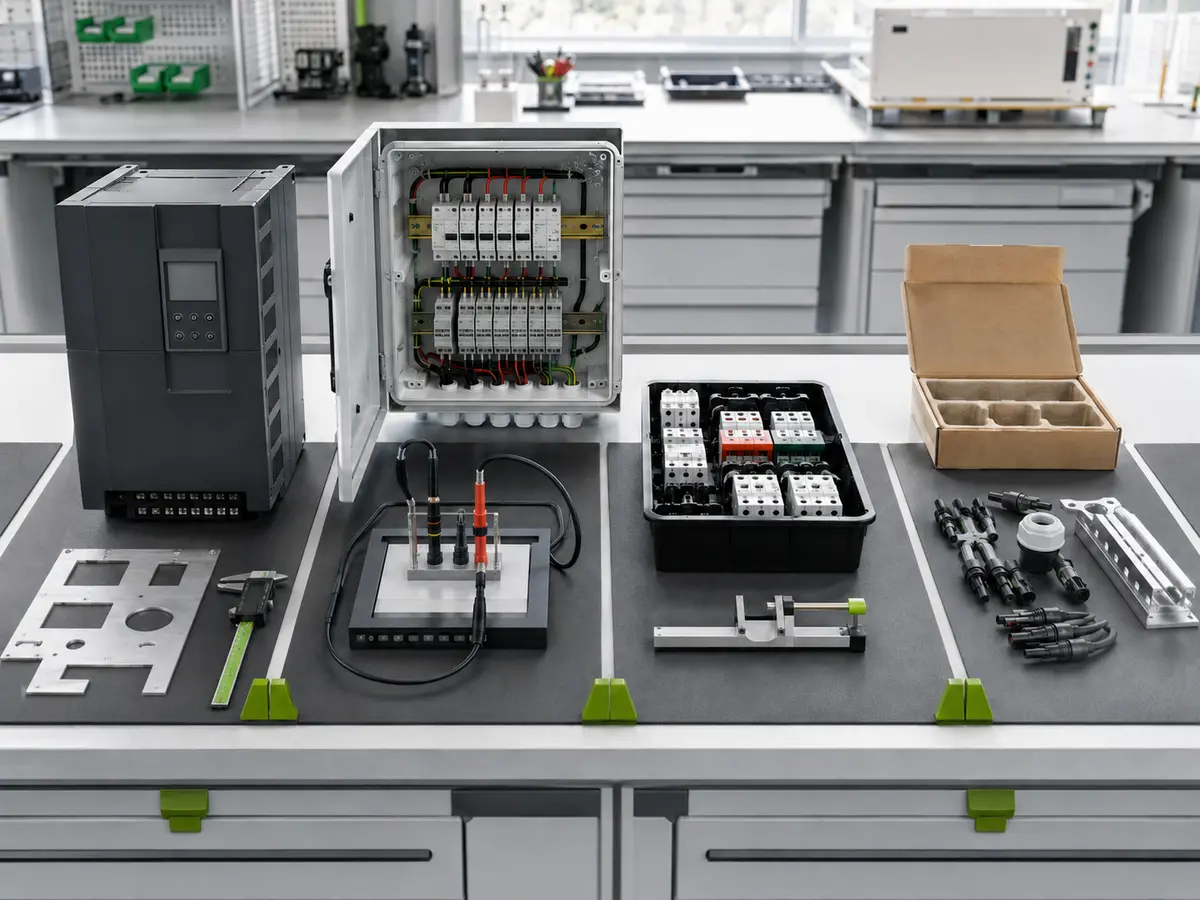
UFELE quality control review for inverters PV combiner boxes and low-voltage electrical products

QC begins with the approved order file

The model, rating, sample plan, test condition, label revision, packing method and evidence request should be clear before final inspection.

Six Connected Checkpoints

What We Check During an Electrical Product Order

Inspection is a sequence, not one action on dispatch day. The approved order file sets the reference. Production and quality staff then check the product at the stages where an error can still be corrected. The exact checklist and inspection extent remain product- and order-specific.

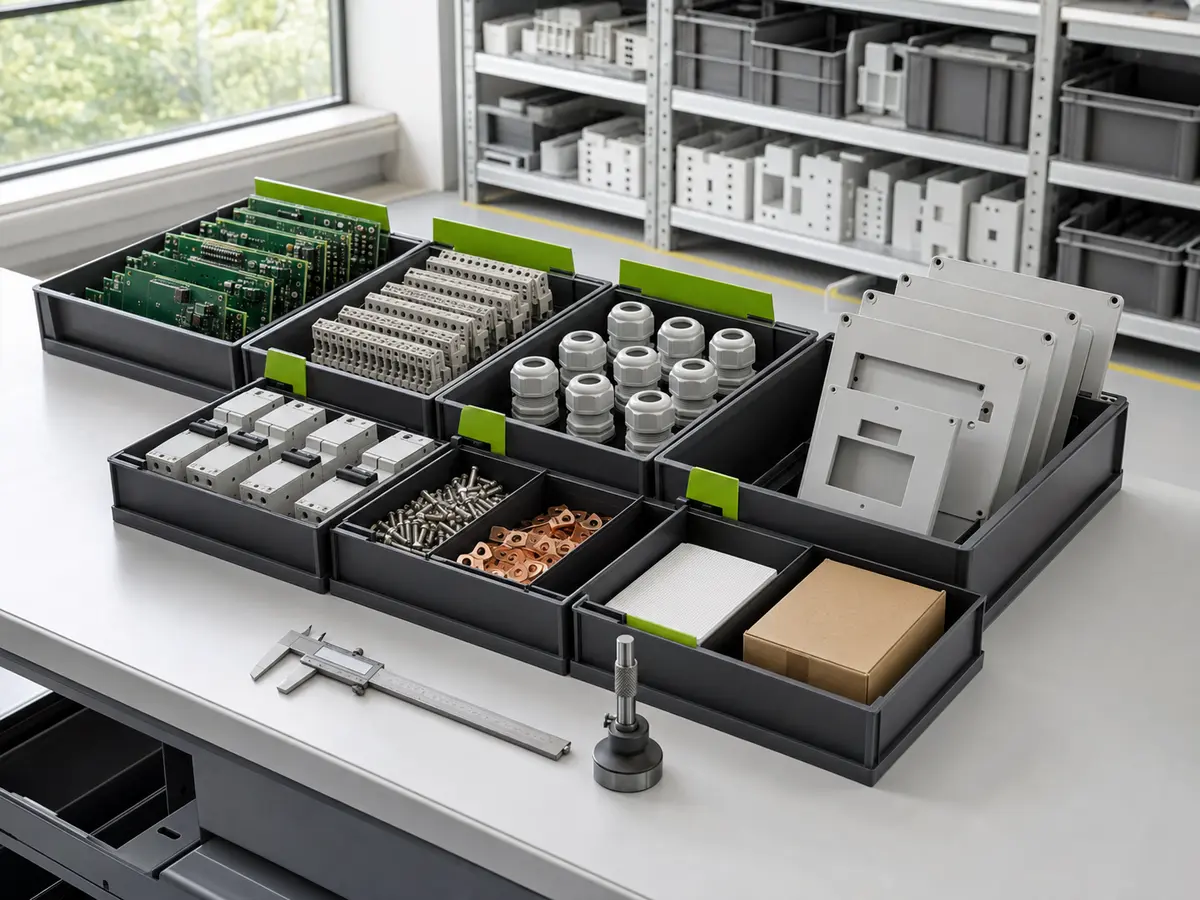
Incoming component and packaging material inspection for an electrical product order

Incoming Material Review

The team checks defined incoming items against the purchase or production file. Depending on the product, this can cover enclosures, terminals, boards, protection components, labels, accessories and carton materials. The record should identify what was checked and how a nonconforming item was handled.

Electrical product assembly inspection of terminals wiring and component positions

Assembly Inspection

Assembly checks focus on the approved structure. Inspectors look for loose parts, incorrect component positions, damaged surfaces, unsuitable wiring, missing fasteners and incomplete accessories. Finding these issues before final assembly reduces rework and prevents affected units from moving into the packing area.

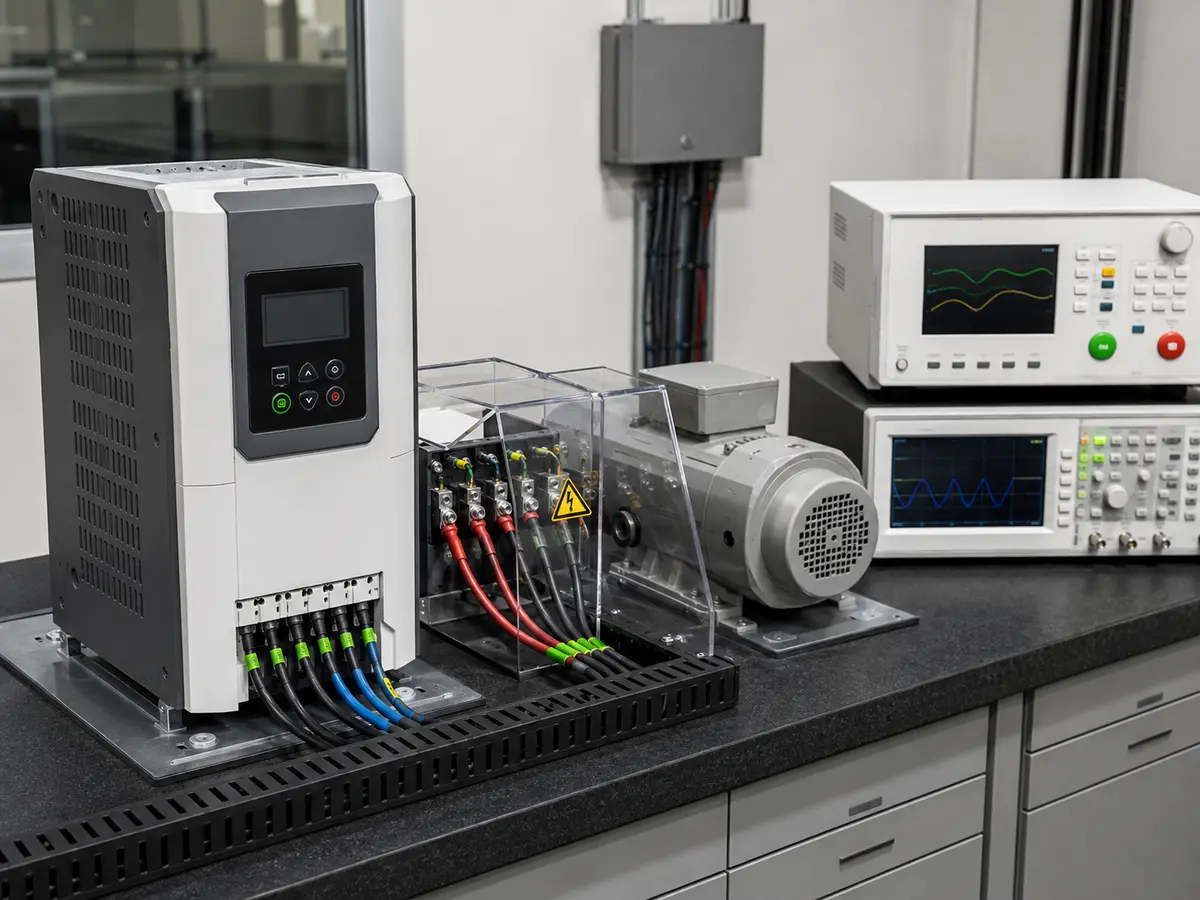
Model-specific electrical function test for inverter and control product orders

Function and Safety Checks

Applicable tests may cover basic operation, display and control response, protection behavior, insulation, dielectric strength or protective earth continuity. The list is not universal. The model, rating, test method, limit and result should match the approved technical requirement instead of a generic factory checklist.

Controlled aging test for an applicable inverter model before export shipment

Controlled Aging Test

An aging test can help reveal unstable operation or early failure in applicable inverter and control products. However, its value depends on the approved load, duration, monitored items and pass criteria. Those conditions must be confirmed for the ordered model; we do not claim one aging cycle for every product.

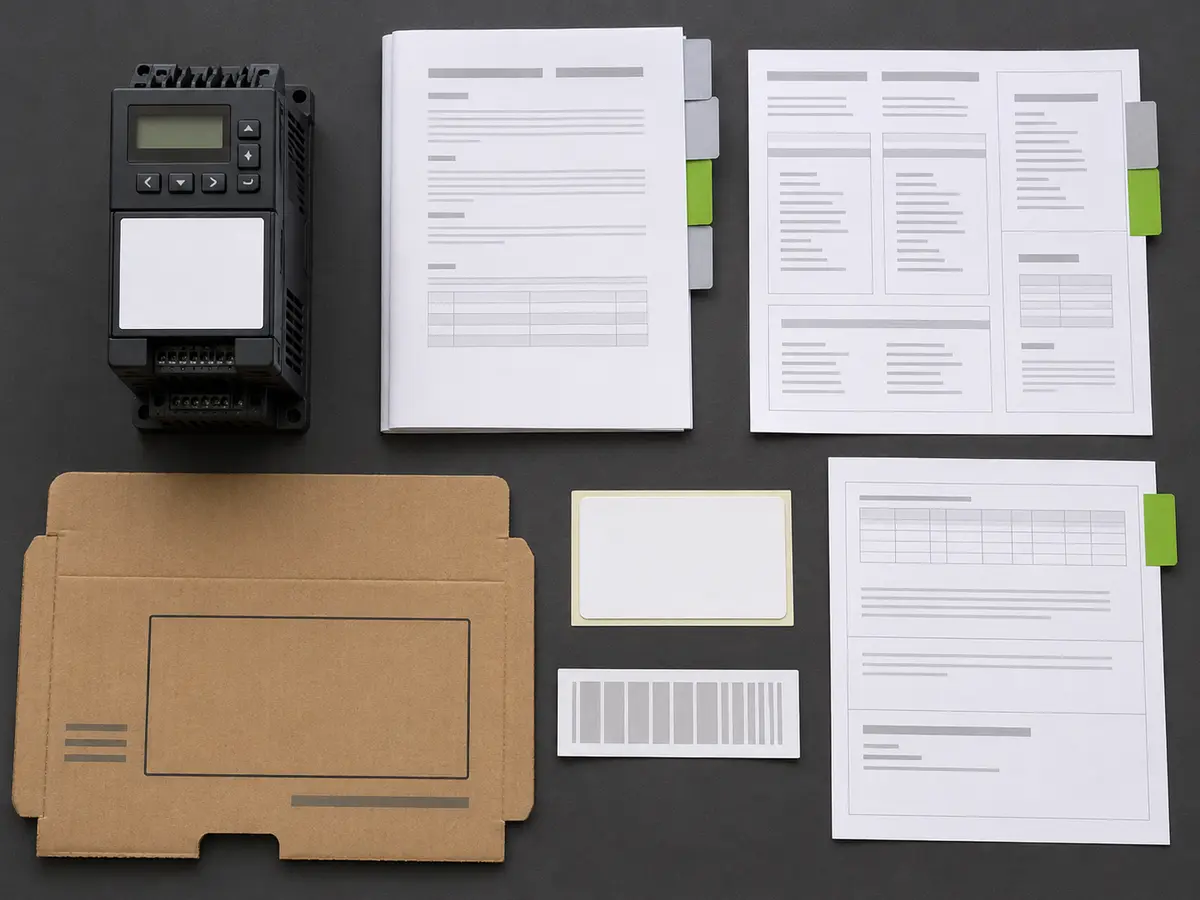
Electrical product label review against model rating and approved artwork

Label and File Review

The product label is checked against the approved model, rating, warning text, brand file and revision. For an OEM or private label order, the review should also connect the manual, carton mark and barcode file to the same approved version. This prevents warehouse and resale errors after delivery.

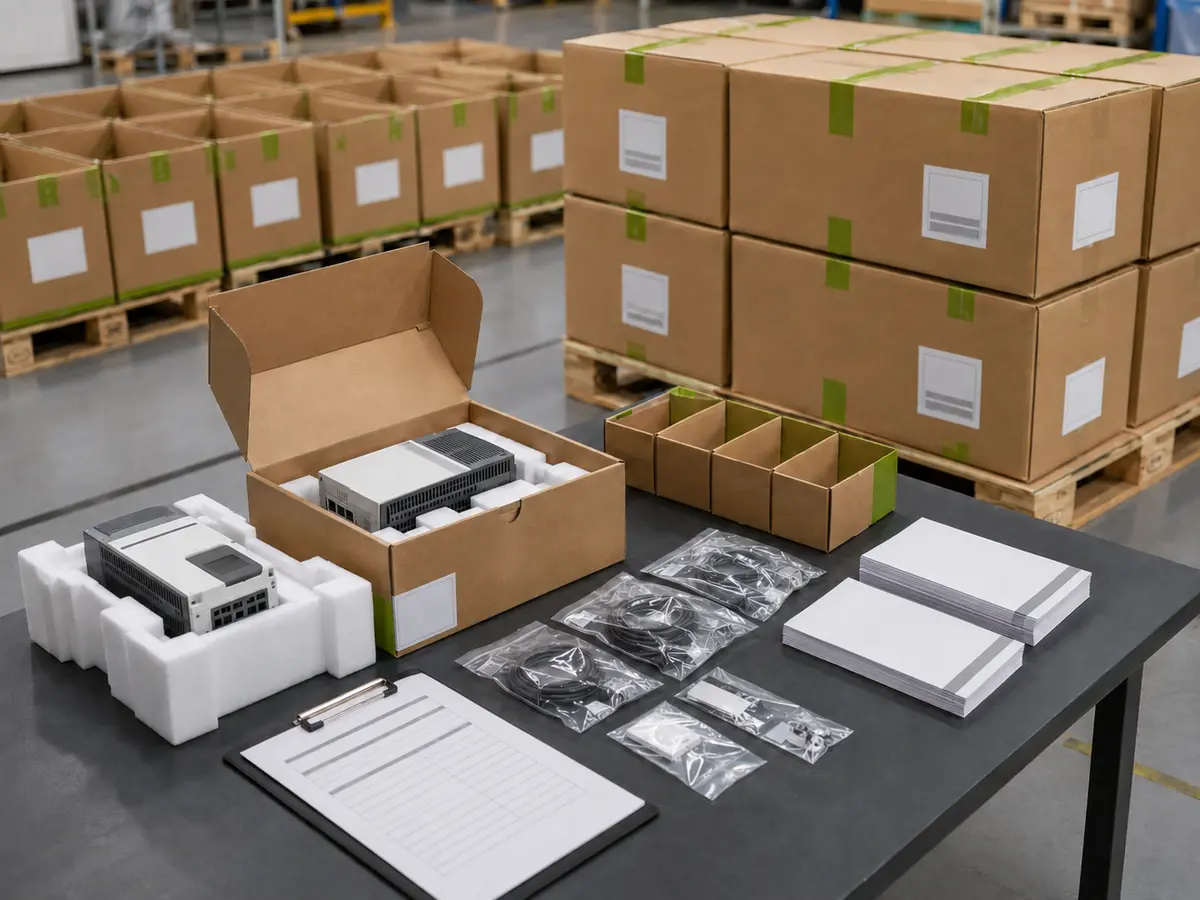
Export packing inspection of electrical products cartons accessories and shipping marks

Packing and Quantity Check

The final packing review covers product protection, accessories, inner packaging, carton condition, carton marks, quantity and mixed-SKU separation. The packing list and carton count should agree with the physical shipment. Buyers can request defined photos before the goods are released for dispatch.

Product-Specific Risk Points

Quality Control Must Match the Product Category

A flat checklist can create a false sense of control. The useful inspection points come from the product design, rating, application and buyer requirement. UFELE reviews the exact order before selecting the checks. The examples below show the normal direction of review, not a complete test specification.

  • Solar pump inverters: model and power rating, terminals, display, control response, applicable protections, running condition and model-specific aging requirements.
  • Variable frequency drives: nameplate, control interface, terminal layout, operating response, parameter file version and applicable functional checks.
  • PV combiner boxes: enclosure, internal layout, component ratings, polarity, wiring, terminals, cable glands, labels and agreed ingress-protection details.
  • Solar energy equipment: product rating, pole configuration, appearance, label, package quantity, accessories and carton identification.
  • Mixed and OEM orders: SKU separation, approved artwork, manual revision, carton allocation, packing list and repeat-order file consistency.
Certificate or test-report availability must also be checked by exact model, rating and destination. See the UFELE certificates and compliance documents page before using a file for import, registration or tender approval.

Different quality control points for inverters PV combiner boxes and solar electrical products

Approved Inspection Plan

How Quality Control Connects with Production

The order file should connect specifications, production, inspection and shipment. If the first detailed check happens after every carton is sealed, the team has fewer safe correction options. The following sequence shows where records can be created and reviewed.

Stage Reference and Record Problems the Stage Can Expose
Order Review Approved model, rating, quantity, technical file, artwork, packing and evidence request Incorrect product specification, unclear revision, missing test or document requirement
Inspection Plan Inspection points, sampling approach, acceptance criteria, test conditions and responsibility Undefined sample size, unsuitable checklist, unclear pass decision or late buyer request
Incoming Review Defined components, enclosure, labels, accessories and packaging materials Wrong material, missing accessory, incorrect label batch or unsuitable carton material
Assembly Review Internal layout, fixing, terminals, wiring, component position and appearance Loose parts, wrong position, missing fastener, wiring issue or surface damage
Test and Aging Applicable method, condition, equipment, result, operator and checklist revision Operation failure, abnormal control response, unstable running or failed limit
Packing Review Product protection, label, carton mark, quantity, accessories and mixed-item allocation Wrong carton, missing accessory, count difference or mixed-SKU confusion
Shipment Release Inspection result, defect disposition, recheck, photo record, carton count and packing list Unclosed defect, missing approval evidence, shipping-mark error or final order mismatch

Sampling and Acceptance

UFELE does not present one sampling rate as suitable for every order. The sample size and acceptance rule should reflect the product risk, quantity, inspection stage and buyer requirement. A named AQL plan or 100 percent check for a defined item must be agreed before production.

Test Conditions

A test name alone is not enough. The approved file should state the applicable voltage, load, duration, limit or operating step required for the ordered model. This is especially important for function, protection and aging checks.

Revision Control

The checklist, product file, label, manual and carton artwork should use a clear revision. If the buyer changes a requirement, the team records approval before the new version enters production or packing.

Ask UFELE to place the agreed inspection extent in the quotation, order confirmation or separate QC file. Specific percentages, AQL levels, aging hours and electrical limits are only valid when they are approved for the exact order.

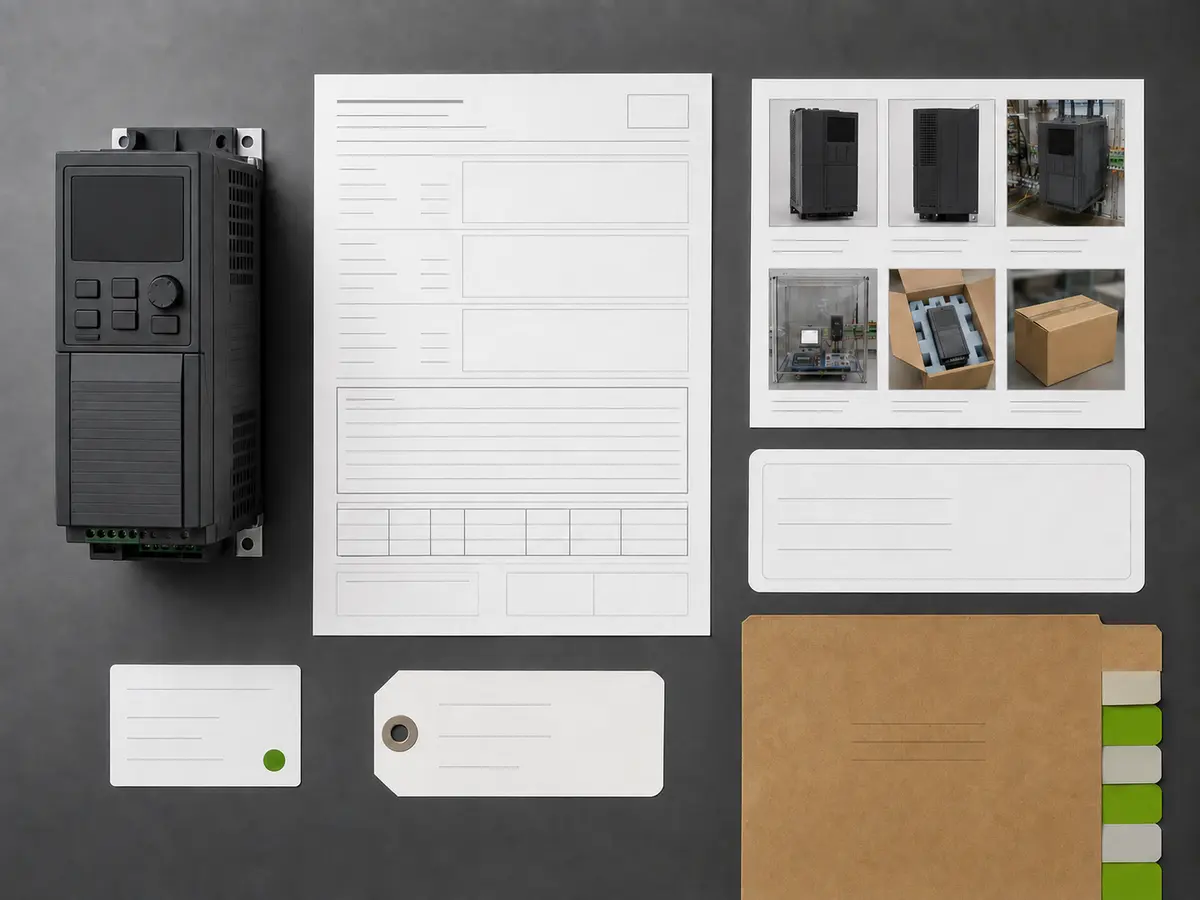
Documented electrical product inspection record with test results labels and packing photos
Evidence a Buyer Can Review

What a Useful Quality Control Record Should Contain

A photo of equipment on a bench is not a complete inspection record. Useful evidence links the result to the purchased product and approved requirement. The record format may change by order, but buyers can ask for the fields below when they review a supplier or approve a shipment.

  • Purchase order or internal order reference
  • Product name, exact model, rating and approved revision
  • Lot, production date or other available batch reference
  • Order quantity, sample size and sampling method where applicable
  • Inspection item, method, condition, limit and observed result
  • Defect description, affected quantity and defect classification
  • Disposition, corrective action, recheck result and release status
  • Inspection date, operator or reviewer and checklist revision

When measuring equipment is used, its identity and calibration status should be traceable to the test record. This does not mean every photo must show a calibration certificate. It means the factory should be able to connect the instrument used with its controlled equipment record when the test requires it.

Traceability also has practical limits. Some products carry a serial number, while others rely on the order, batch, label or carton record. Buyers should confirm the required traceability level before production. A documented inspection photo record can then show product appearance, labels, selected test stages, accessories, inner packing, carton marks and mixed-SKU separation.

Nonconforming Product Control

How UFELE Handles a Problem Found During Inspection

A credible quality system does not pretend that defects never occur. It controls what happens after an issue appears. The team must prevent affected goods from mixing with passed units, decide what action is appropriate and verify the result before release.

Identify

Record the product, model, quantity, inspection stage, observed issue and supporting evidence. The description should be specific enough for production staff and the buyer to understand the mismatch.

Isolate

Separate affected items from passed goods and control their status. This reduces the risk that an unchecked or rejected unit returns to the packing line by mistake.

Correct

The disposition may involve rework, replacement, label correction, accessory matching, repacking or rejection. For a recurring issue, the team should also review its cause and prevention action.

Reinspect

Repeat the relevant check after correction and record the outcome. The product returns to passed status only when the agreed acceptance requirement is met.

Defect Class Typical Decision Meaning Order-Control Response
Critical A safety, legal or severe use risk defined in the approved inspection plan Stop release, isolate affected goods and escalate for formal disposition
Major A defect likely to affect normal function, specification compliance or saleability Evaluate the lot, correct affected goods and reinspect before release
Minor A limited deviation that does not normally prevent intended use but misses an agreed requirement Record and handle it according to the buyer-approved acceptance rule
The defect definitions and acceptance numbers must be agreed for the order. A classification table explains the decision logic; it does not replace a product-specific standard, drawing, approved sample or buyer inspection plan.

Buyer Preparation and Review

Confirm the Quality Requirement Before Production

Clear requirements make inspection faster and more reliable. Send the information that determines product selection, test scope, artwork, packing and shipment approval. If one field is unclear, resolve it before the production file is released.

Technical Requirement

Confirm the model, voltage, power, current, application, load type, enclosure, component configuration and any destination-specific requirement. Attach an approved specification, drawing or sample reference when available.

Inspection and Evidence

Define the sampling or 100 percent check request, defect limits, test items, third-party inspection need and required photo or report fields. Agree on who can approve a deviation or release the shipment.

Label, Packing and Documents

Approve the product label, carton mark, barcode, manual, accessories, carton quantity and document request. Check that each file refers to the same product revision before production starts.

Company and review information: UsFull Electric Co., Ltd. uses UFELE Electric as its export-facing brand. The company was established in 2005 in Wenzhou, Zhejiang, China and serves buyers in more than 90 countries and regions. This quality control guidance was reviewed by the UFELE production and quality team on August 2, 2026. Buyers should request the current model-specific inspection file because production requirements can change by order and revision.

FAQ

Electrical Product Quality Control Questions

These answers explain the working boundaries buyers should confirm before production and shipment.

What quality checks does UFELE normally perform?

The inspection plan depends on the product and order. It may include incoming material review, assembly inspection, function testing, an aging test for applicable inverter products, appearance and label checks, packing inspection, and pre-shipment confirmation.

Does UFELE use one sampling rate or AQL for every order?

No. The sampling approach, sample size and acceptance criteria should match the product risk, order quantity, buyer requirement and inspection stage. If a buyer requires a named AQL plan or 100 percent inspection for a defined item, it should be written into the approved order or inspection file before production.

Is an aging test used for every electrical product?

No. An aging test is mainly relevant to applicable inverter and control products. The load condition, duration, monitored items and pass criteria must follow the approved model-specific test requirement. Low-voltage protection components and accessories use different inspection points.

Which electrical safety tests can be included?

Applicable checks may include insulation, dielectric strength, protective earth continuity or other safety-related items, but they are not identical for every product. UFELE confirms the relevant test item, method and acceptance limit against the exact model, rating and approved technical file.

What information can an inspection record contain?

A useful record can identify the purchase order, product model, rating, quantity or sample size, inspection date, checklist revision, test result, defect details, disposition and reviewer. Where measuring equipment is used, the equipment identity and calibration status can also be linked to the test record.

What happens if a problem is found during inspection?

Affected items are identified and separated from passed goods. The team records the issue, decides whether to rework, replace or reject the item, and repeats the relevant inspection after correction. Shipment approval waits until the agreed disposition and recheck are complete.

Can buyers request inspection photos before shipment?

Yes. Buyers can request documented photos of the product, label, packing, carton marks, accessories and selected test stages. The required views and file naming method should be confirmed before production so the photo record matches the buyer’s approval process.

Can a third-party inspection be arranged?

Third-party inspection can be discussed for suitable orders. The buyer, inspection company and UFELE should agree on the product list, readiness level, sampling plan, inspection checklist, site date and release process before the visit is booked.

Build the Inspection Plan Before Production Starts

Send your product list, exact model and rating, order quantity, approved files, packing request and inspection evidence needs. UFELE will identify the points that must be confirmed for production and pre-shipment review.

Send Inspection Requirements